Have You Tried Mindful Education at Home? The Unexpected Results Might Surprise You
- Pacific Beacon Staff

- Oct 16, 2024
- 3 min read
As parents look for new ways to engage their children at home, mindful education is gaining popularity. This approach teaches kids to pay attention to their thoughts and feelings while they learn. Mindfulness is more than a trend; it can genuinely change how children experience education. If you haven't explored mindful education yet, prepare to be surprised by its powerful benefits!
What is Mindful Education?
Mindful education focuses on being aware and present in the learning experience. By encouraging children to notice their thoughts, feelings, and physical sensations, mindfulness helps them regulate their emotions and improve concentration. This shift can turn learning into a journey of discovery rather than a mundane task.
For example, a child who practices mindful education may approach math homework with curiosity rather than dread. They can discover connections and patterns without the pressure of simply getting the right answer.
Benefits of Mindful Practices in Home Education
1. Enhanced Emotional Intelligence
Mindfulness significantly boosts emotional intelligence. Children learn to identify and understand their emotions, fostering empathy for others. For instance, a child who practices mindful thinking may realize when a peer feels upset, allowing them to respond with kindness rather than frustration. Research suggests that students with higher emotional intelligence tend to have better relationships and lower levels of conflict, promoting a peaceful learning environment at home.
2. Improved Focus and Attention
Mindfulness training can enhance a child's ability to concentrate. Activities like mindful breathing or a simple body scan help kids focus on their schoolwork. Studies show that students who practice mindfulness can improve their attention span by up to 20%. As children learn to control their focus, they can retain information more effectively, resulting in better grades and a more enjoyable learning experience.

3. Reduction of Stress and Anxiety
The pressures of home education can weigh on both children and their parents. Mindfulness practices provide a way to ease that stress. Incorporating brief mindfulness breaks—about 5 to 10 minutes—can create a calming atmosphere that allows everyone to recharge. Research indicates that implementing regular mindfulness breaks can reduce anxiety by around 30%, making the learning experience more enjoyable for all.
4. Creativity and Problem-Solving Skills
Mindful education nurtures curiosity and creativity. When children learn to face challenges without fear of failure, they explore solutions more freely. For instance, a child challenged with a science project might brainstorm unusual ideas, leading to innovative outcomes. In traditional educational settings, pressure can stifle creativity. Mindfulness gives kids the freedom to think outside the box, resulting in unique solutions to problems.
Practical Mindful Activities to Try
Mindful Listening
Spend a few minutes sitting with your child and focusing on the surrounding sounds. Choose a quiet spot at home or outside. This practice sharpens listening skills and helps develop awareness.
Nature Walks
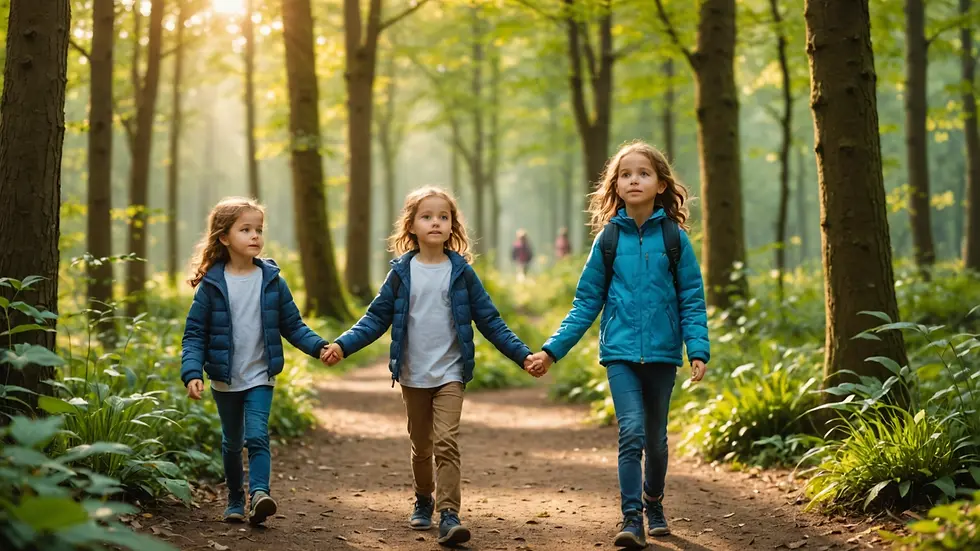
Take nature walks to blend mindfulness and learning. Encourage your child to observe colors, textures, and sounds. Ask questions like, “What do you notice about the leaves?” This activity fosters a connection with nature and curiosity about the world.
Guided Visualization
Try guided visualization for creativity. Have your child close their eyes and picture a favorite place, describing the sights, sounds, and feelings that come to mind. This practice can enhance imagination and deepen emotional connections to learning.
Embracing Mindful Education Together
Incorporating mindfulness into home education opens a world of benefits. From boosting emotional intelligence to enhancing focus and creativity, the positive changes are profound. As you explore mindful education, pay attention to the transformations—both big and small—that will occur in your environment.
Remember, the ultimate goal is to create a supportive and inspiring learning space. By trying mindful practices, you may find that the journey of education becomes not only about knowledge but also about fostering emotional health and resilience in your child. Dive into this rewarding experience, and you might be amazed at what you uncover together!


